Proizvodnja različitih tkanina vrhunskog razreda godišnje doseže 7 milijuna metara, uključujući širok spektar modnih novih proizvoda i izvrsnih predmeta, sa širokim pokrivanjem uzoraka boja.

Jezik
Modal-Cotton Dyed Cloth: Why This Blend Outperforms Pure Cotton in Comfort, Color & Sustainability
2026-06-24
Modal absorbs moisture 50% more efficiently than pure cotton — yet most fabric buyers still default to cotton for their blended dyed cloth orders. That gap is worth closing.
What Modal-Cotton Dyed Cloth Actually Is
Modal is a cellulosic fiber derived from beech tree pulp, processed through a closed-loop system where the majority of solvents and water are recovered and reused. When blended with cotton, the two fibers complement each other: cotton contributes structure and breathability, while modal delivers silkiness, superior dye uptake, and resistance to shrinkage.
The result is a fabric that sits noticeably above standard cotton in hand feel — closer to silk without the fragility. Manufacturers and garment brands looking for Modal-cotton Dyed Cloth are typically sourcing for exactly this combination: premium aesthetics with production-friendly durability.
The Fiber Ratio Matters More Than You Think
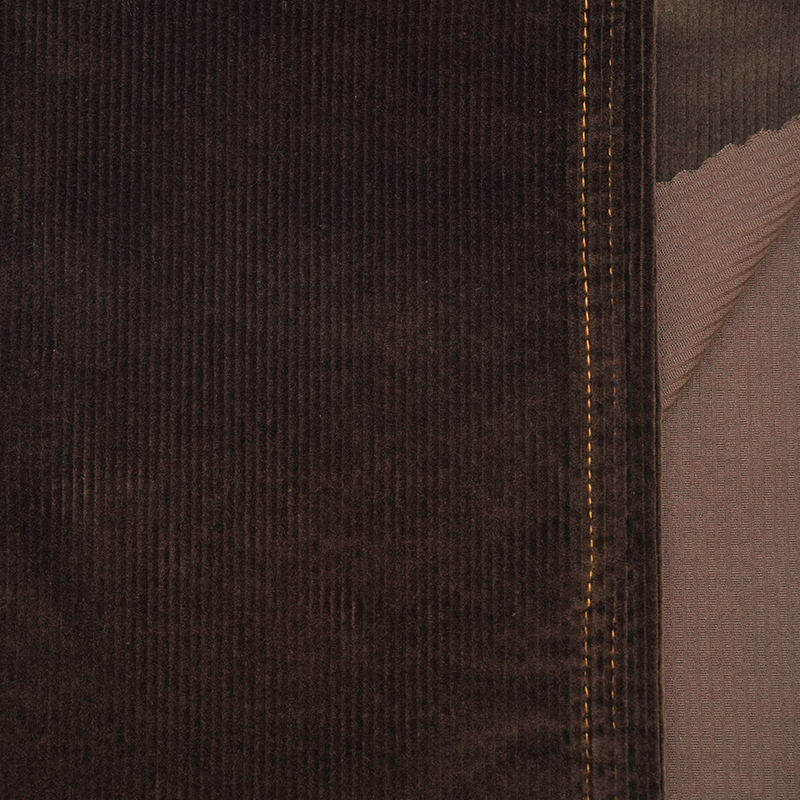
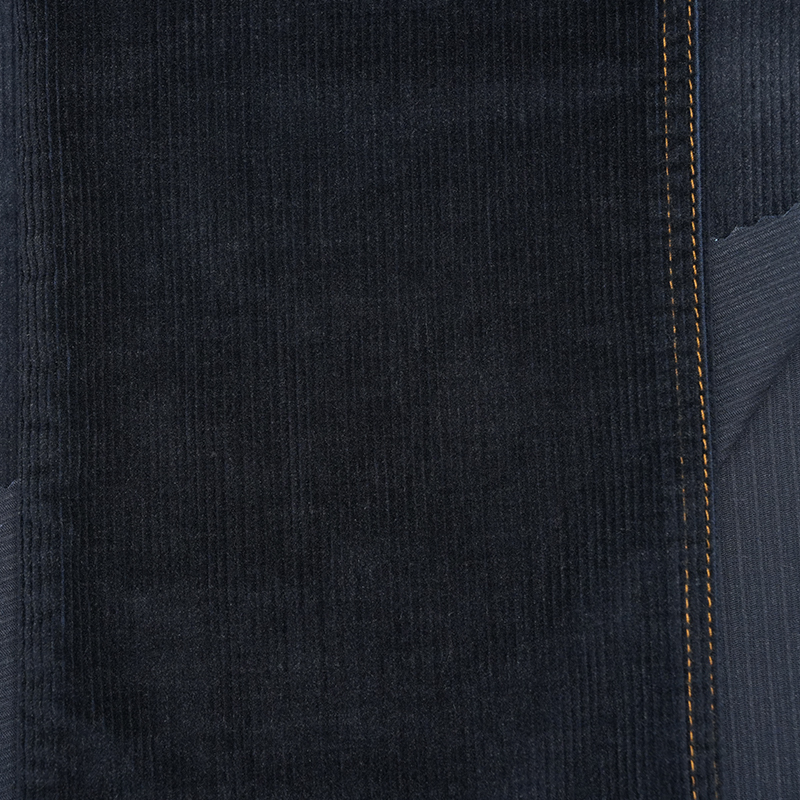
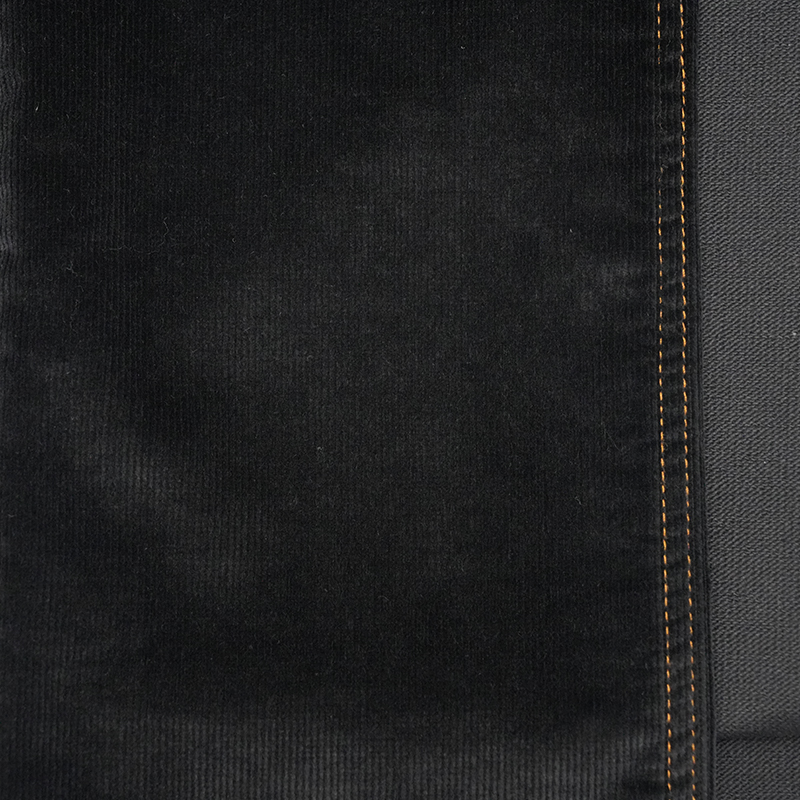
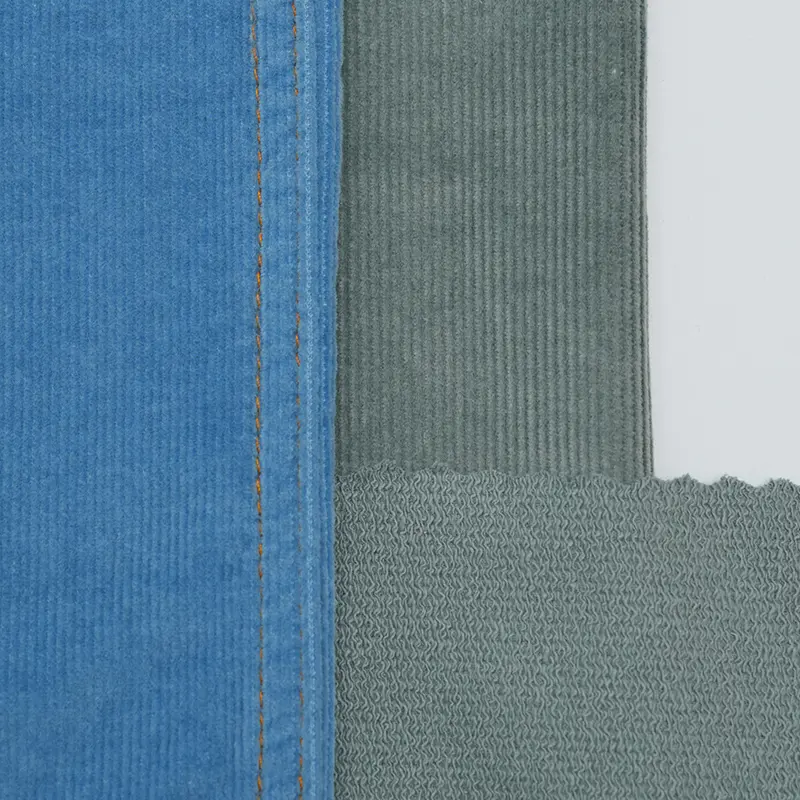
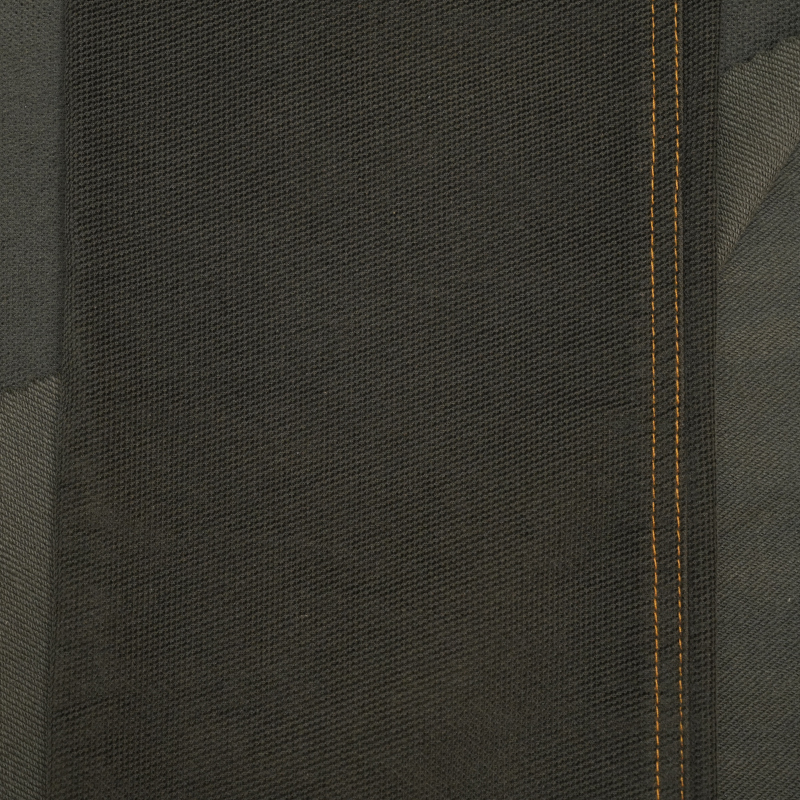
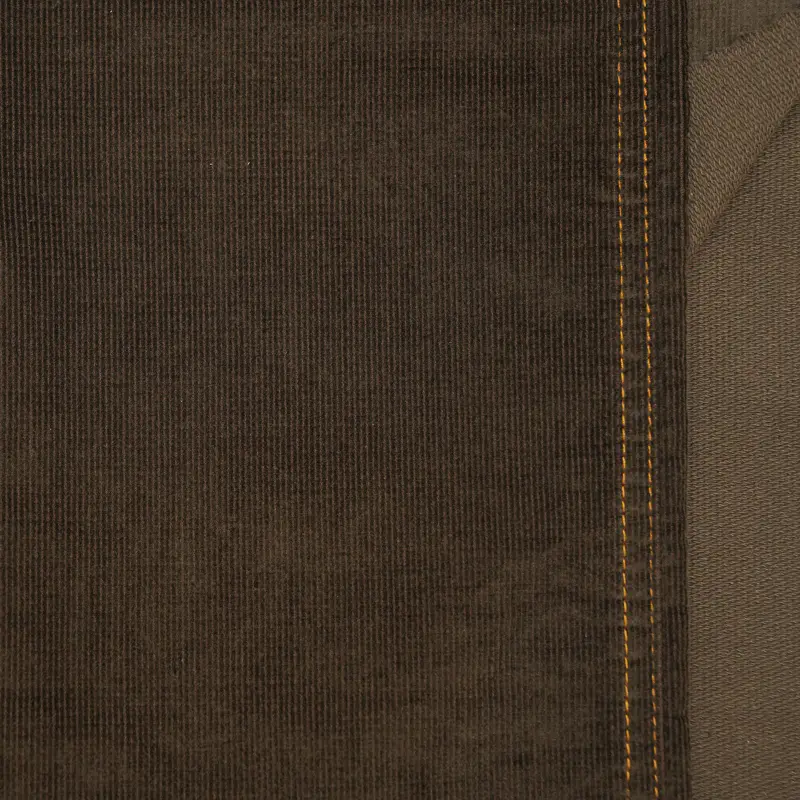
A real-world example: the GS1742D Super Stretch Cotton-Modal Stretch Twill, produced at Huiya Textile, carries a composition of 63% cotton, 30% modal, 4% polyester, and 3% spandex. At 290 GSM with a 57/8" width and a twill weave construction, this fabric targets trousers and structured apparel — categories where stretch, color retention, and surface smoothness all matter simultaneously.
The modal fraction drives the dye performance. Because modal fibers have a more uniform cross-section than cotton, reactive dyes penetrate more evenly, producing colors that are brighter and more consistent across a roll. Color fastness ratings for modal blends typically reach 4–5 on standard scale, which means the fabric holds its hue through repeated commercial washing cycles. For buyers specifying dyed cloth, that directly reduces reorder risk.
The cotton majority (63% here) keeps the fabric grounded — it maintains dimensional stability, reduces cost versus pure modal, and makes the cloth easier to sew and cut in standard garment factories. The spandex addition enables the "super stretch" designation: bidirectional recovery that makes the finished garment fit-compliant across size ranges.
Why Dyeing Behavior Sets This Blend Apart
Cotton and modal are both cellulosic fibers, which means they accept the same dye class — reactive dyes — without requiring a dual-dye process. This is a significant production advantage over polyester-cotton blends, which often need two separate dye baths at different temperatures. With a cotton-modal blend, you get a single-bath process, lower energy consumption, and cleaner color uniformity.
Modal's natural sheen enhances the perceived vibrancy of the final color, even at the same dye concentration used for cotton. A medium-depth navy on a modal-cotton substrate reads as richer and more saturated than on 100% cotton — a detail that directly affects shelf appeal in finished garments.
For brands and mills working across a wide color palette, this matters. Huiya Textile produces over 7 million meters of high-end woven fabric annually, covering a broad range of color patterns — and modal-cotton dyed cloth is among the fabrics where consistent color across large production runs is reliably achievable.
Sustainability: What's Real, What's Marketing
Modal's eco credentials are partly genuine and partly dependent on the manufacturer. The beech tree sourcing is low-impact — beech regenerates naturally, requires no irrigation, and no replanting. Leading fiber producers such as Lenzing have validated that TENCEL™ Modal fibers are produced with at least 50% less carbon emissions and water consumption compared to generic modal, using high chemical-recovery rates in production.
For buyers with sustainability mandates, the blend also helps offset the water-intensive nature of conventional cotton farming. Organic cotton in a modal blend further reduces the environmental footprint. That said, the overall sustainability of the finished cloth depends on the dyeing and finishing processes downstream — eco-dyeing methods and wastewater treatment at the mill level are equally important variables.
Businesses sourcing cotton blended dyed fabric with genuine sustainability requirements should ask suppliers for dyeing process certifications, not just fiber sourcing claims.
Practical Applications: Where This Fabric Performs
Modal-cotton dyed cloth is not a niche fabric. Its performance profile makes it viable across a wide range of end uses:
- Trousers and structured bottoms — the twill construction and spandex blend deliver shape retention and stretch recovery without sacrificing drape.
- Premium casual shirting — the silk-adjacent surface texture elevates perceived quality at mid-market price points.
- Activewear and athleisure — moisture absorption 50% higher than cotton keeps wearers comfortable, and color holds through frequent washing.
- Home textiles — bed linen and pillowcases in modal-cotton blends deliver softness without pilling, and maintain color integrity across a long product lifespan.
The stretch variant (with spandex) expands usability further into fitted garments, while non-stretch modal-cotton wovens serve structured applications like jackets and work wear.
What to Specify When Sourcing
Four variables determine whether a modal-cotton dyed cloth will perform as expected in your application: fiber ratio, GSM, weave structure, and finishing treatment. A 30% modal content at 290 GSM in a twill weave behaves very differently from a 50% modal content at 180 GSM in a plain weave — even though both technically qualify as "modal-cotton dyed cloth."
For buyers placing first orders, requesting lab dip samples across your target color palette before bulk production is non-negotiable. Modal's superior dye uptake means lab dip colors will typically be brighter than equivalent cotton samples — confirm that the production batch matches the approved lab dip under the same light source.
If you're comparing this blend with alternatives like rayon-cotton or Tencel-cotton, see the key differences between modal-cotton and other cellulosic blend options before finalizing your specification — each blend has a distinct performance signature that affects both garment construction and end-consumer experience.
Modal-cotton dyed cloth occupies a clear position in the market: it outperforms plain cotton on softness, dye performance, and moisture management, while remaining more cost-accessible than pure modal or Tencel. For garment brands and fabric buyers prioritizing quality without a luxury-tier price point, it's a blend that earns its place in the sourcing mix.
Povezani proizvodi


-

- Address: No.8 Longxuan Road, grad Lijia, okrug Wujin, Changzhou, Kina
- Phone: +86-13301509168
- Email: [email protected]
- Biti prvi koji je znao
- Za ekskluzivne ponude i najnovije ponude, prijavite se unošenjem adrese e -pošte u nastavku.
- Brze veze
Povezani certifikati: